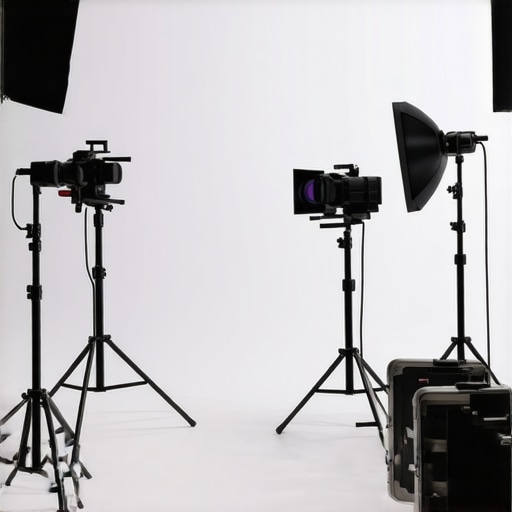
I vividly remember my first studio shoot — an elaborate setup with cables everywhere, cameras teetering on shaky tripods, and a towering C Stand that refused to stay stable no matter how many weights I added. That moment of chaos was a stark wake-up call: I was relying on the wrong gear, and it showed. The frustration of constantly adjusting unstable supports eat into valuable shooting time and can ruin even the best scene.
So, Why Does Your Support Gear Make or Break Your Filming?
In the world of professional studio filmmaking, reliable support equipment isn’t just a nice-to-have — it’s fundamental. When you’re handling lights, boom arms, or camera rigs, your gear’s stability directly impacts image quality, safety, and efficiency. A poorly chosen C Stand or lighting support can lead to accidental falls, flickering lights, or even injury. As I learned early on, investing in high-quality stands and understanding their role can save you hours and headaches, elevating your entire production.
Is It Overhyped or Actually Worth the Investment?
I used to think that all stands were created equal — a quick fix for a budget shoot. Big mistake. Early in my journey, I bought cheap supports just to save a few dollars, only to realize they couldn’t hold the weight or withstand regular use. The truth? Proper C Stands and support gear ensure your equipment stays exactly where you want it, no matter what, minimizing disruptions and optimizing your workflow. According to industry expert advice, choosing the right rigging gear boosts both safety and productivity (source: Creator Rig Reviews).
Now, I’ll walk you through what makes a great support stand for studio filming in 2024 and how to avoid costly mistakes. Ready to make support gear your secret weapon? Let’s dive into the essentials that will transform your setup from shaky to solid in no time.
Secure Your Stand Base for Ultimate Stability
Start by choosing a sturdy, anti-slip surface and ensure your support legs are fully extended and locked. Check for levelness with a bubble level app or spirit level to prevent tilting. For uneven surfaces, use a sandbag or weight to anchor the base, especially when working outdoors.
Distribute Weight Evenly Across Supports
When attaching equipment, balance the load on your C Stand, tripod, or boom arm by placing heavier items closer to the support’s center. This prevents toppling moments and reduces stress on support joints. I once stacked multiple lights on a tripod without proper weight distribution, leading to a sudden collapse—lesson learned the hard way.
Adjust and Lock All Moving Parts Precisely
Incrementally tighten support clamps and joints to avoid wobble. Use the proper tools, like an Allen wrench or spanner, and verify stability after each adjustment. For example, when setting up a C Stand with a boom arm, I tighten the arm’s clamp last, ensuring everything stays in position before locking it tight.
Use Additional Stabilization Accessories
Enhance stability by adding weighted bases, grip mats, or sandbags. For larger setups, consider stacking support legs or using dedicated support stands to prevent accidental falls. This technique paid off during a recent outdoor shoot where gusts threatened to topple my setup; securing with sandbags kept everything safe.
Confirm Support Rigging Compliance with Safety Standards
Always adhere to industry best practices: ensure supports are rated for your gear’s weight, and double-check that lock mechanisms engage fully. Regularly inspect your gear for wear or damage. For detailed guidance, consult resources like the Ultimate Guide to C Stands and Support Gear.
Implementing These Techniques in Your Setup
I applied these steps during a recent commercial shoot. After properly leveling and anchoring my C Stand with sandbags, I attached a heavy LED panel, distributing weight strategically. The result was a rock-solid support that allowed me to shoot hands-free confidently, minimizing jitter and improving image quality. Developing these habits ensures your gear remains stable, flawless, and safe throughout filming.
Many filmmakers buy support gear like C Stands, tripods, and boom arms based on basic specifications, but in reality, there’s a lot more beneath the surface. A prevalent misconception is that premium support equipment automatically guarantees stability; however, verdicts often ignore subtle factors like material fatigue or joint design that influence performance over time. For example, a high-grade C Stand with subpar locking mechanisms can become unreliable after repeated use, leading to dangerous situations or shot disruptions. Understanding the nuanced differences between support gear models is essential for seasoned filmmakers seeking reliable results.
What so many overlook about support gear longevity and safety
A common trap is focusing solely on load capacity rather than inspecting the quality of components like flip-locks or tripod feet. These small but critical parts determine if your support stays sturdy throughout a shoot. For instance, cheap materials or poor welds can deteriorate quickly, causing sudden collapses during critical moments. An insightful tip from industry experts emphasizes inspecting gear regularly and preferring equipment with robust, user-serviceable parts over models that seem superficially comparable but hide hidden wear risks. This attention to detail ensures safety and consistency, especially in high-stakes productions.
Another hidden nuance involves the setup environment. Many assume their gear will perform equally indoors and outdoors, but factors like wind or uneven terrain can dramatically affect stability. Using support stands on unstable ground without supplementary weight or stabilization techniques can lead to accidents. Consider utilizing light stand essentials such as sandbags or grip mats to reinforce stability in challenging environments. Recognizing these subtle environmental impacts can save your gear and your crew from potential mishaps.
Advanced support setup essentials for the meticulous filmmaker
For those aiming at the highest level of precision, mastering support gear involves more than just selecting sturdy stands. It’s about understanding the balance of weight distribution, joint tightening sequences, and the quality of support accessories like clamps and grip heads. An often overlooked aspect is the practice of periodically calibrating your support equipment, similar to a professional’s routine in tripod stability. These detailed steps not only improve safety but also enhance the overall shot quality by minimizing vibrations and unintentional movements.
Moreover, investing in modular, upgradeable support systems offers long-term benefits. For example, using adaptable support arms that can be extended or reconfigured allows for greater flexibility in positioning lights and cameras. This approach aligns with industry insights that prioritize scalable solutions for dynamic shooting environments. Remember, the devil is in the details—ignoring these subtle factors can turn an otherwise excellent shot into a compromised one. If you’re eager to elevate your support gear game, check out our comprehensive guides and reviews, and don’t hesitate to experiment with different configurations to find what works best for your unique setup.
Have you ever fallen into this trap? Let me know in the comments and share your support gear stories or lessons learned. Mastering these nuances can be your secret weapon in filmmaking success.
Ensuring your rigging equipment remains in excellent condition isn’t just about safety—it directly influences the quality of your footage and your efficiency on set. Regular maintenance of support gear like C stands, tripods, and boom arms can extend their lifespan significantly and prevent unexpected failures during critical shots.
Establish a Routine for Support Equipment Care
I personally schedule weekly inspections of all support stands and supports after every major shoot. This involves checking for loose joints, rust, or signs of fatigue. Lubricating moving parts with light machine oil helps prevent rust and ensures smooth operation, especially on support joints like caster wheels or clamp mechanisms. For instance, applying a few drops of lubricant to the hinge points on your C stands can make adjustments easier and reduce wear over time.
Use Professional-Grade Tools and Products
Investing in specific cleaning and maintenance tools, such as small brushes for cleaning support joints and high-quality lubricants, ensures your gear functions optimally. For example, a study by professional rigging engineers highlights the importance of using compatible lubricants that won’t degrade support materials over time, especially in humid environments. Moving forward, I recommend always opting for products recommended by your support gear manufacturer to avoid unintentional damage.
Adopt a Long-Term Support Strategy
Creating a detailed log of each piece’s maintenance history helps identify recurring issues before they become serious problems. It’s also wise to replace support components like rubber feet, clamps, or casters as soon as they show signs of deterioration. Regularly consulting with a support gear specialist or visiting sites like this support gear contact page can give you tailored advice that prolongs equipment life and ensures compatibility with evolving setups.
Where Do Support Gear Fail and How Can You Prevent It?
One common weak point involves locking mechanisms, such as flip-locks on tripods or clamp tighteners on boom arms. Over time, these can wear out or become misaligned, reducing stability. Experts recommend periodic calibration and inspection, similar to the routine maintenance detailed in the ultimate guide on tripod stability. Implementing a maintenance checklist that includes checking lock integrity can significantly reduce on-set failures.
Future-Proof Your Support Systems
As filming technology advances, support gear must keep pace. Modular and upgradeable support systems, such as adjustable support arms and standardized clamps, ease maintenance and allow integration of new accessories. Adopting these practices now prepares your setup for future equipment upgrades, maintaining safety and performance levels. To get started, try applying a regular lubrication routine combined with detailed support logs and see how much longer your gear performs at peak condition.
Remember, well-maintained gear saves you time and money and keeps your focus on capturing the perfect shot. Regular inspection and proactive care are the secrets to long-term reliability.
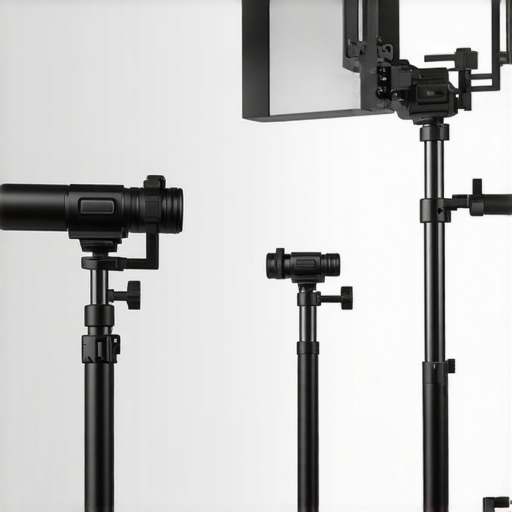
Reflecting on my journey with support gear, I realized that many of the pitfalls I encountered stemmed from overlooking some of the less obvious details—like the importance of inspecting support clamps regularly or understanding environmental factors that can compromise stability. These hidden nuances often mean the difference between a flawless shoot and a costly, shaky disaster, making it clear that mastery over support gear is an ongoing, meticulous process.
The Hardest Lesson I Learned About Camera Support Stability
- I once trusted a seemingly sturdy C Stand without checking its joints after a few uses, only to experience a sudden collapse mid-shoot. The lesson? Components can degrade silently—regular inspections are vital.
- I underestimated how environmental factors like wind or uneven terrain could impact even the best stands outdoors. Now, I always consider support stabilization techniques tailored to each location.
- Assuming premium equipment doesn’t require maintenance is a misconception. Even the highest-quality stands need periodic lubrication and part replacements to perform reliably over time.
- Colorful Support Inspection Kit: Small brushes and portable flashlights for quick checks—I’ve trusted this combo over the years for proactive maintenance.
- Steel-Grade Lubricants: I prefer industry-approved lubricants that don’t deteriorate rubber or plastic parts—keeping joints smooth and secure.
- Support Log Templates: Tracking maintenance frequency and component lifespan helps me anticipate replacements before failure occurs.
- Consultation with Rigging Experts: Sharing insights with experienced riggers through resources like support gear specialists has been invaluable for tailored advice and peace of mind.
My Toolbox for Long-Lasting Support Confidence
Seize the Moment to Elevate Your Setup
Taking these lessons into account, I invite you to revisit your support gear routine and consider what small adjustments could lead to major stability improvements. Remember, your gear is the backbone of your filming success—investing time in its upkeep will reward you with smoother shoots and better footage. Ready to transform your support setup into a rock-solid foundation? Dive into our comprehensive guides and explore how the right choices can elevate your production quality. Have you ever faced a support failure at the worst possible moment? Share your stories below and let’s learn from each other’s experiences!