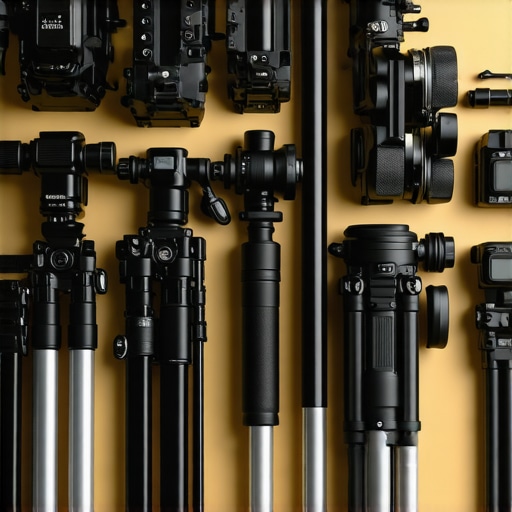
Ever been on a shoot, camera in hand, only to have your tripod wobble just as you’re about to capture that perfect shot? Or maybe you’ve wrestled with a shaky C-stand, trying to stabilize your lighting equipment, and felt that gnawing frustration creep in. I sure have. There’s nothing quite like the sinking feeling when your gear refuses to cooperate, especially when time—and budgets—are tight. That moment of realization hit me hard early on: I was overlooking the importance of choosing the right support gear, and it was limiting my creative potential.
Why Choosing the Right Support Gear Can Make or Break Your Shots
Support gear isn’t just about having something to hold your equipment; it’s fundamentally about **stability and reliability**. A shaky tripod or an unstable light stand can ruin your footage faster than a missed shot. Yet, many newcomers (myself included back in the day) tend to focus solely on cameras and lenses, neglecting the backbone of professional filmmaking: support gear. When I first started, I thought a basic tripod would do, but soon learned that not all tripods are created equal—especially when working on unpredictable locations.
When you invest in quality support equipment, you’re not just ensuring your shots stay steady; you’re significantly reducing the risk of equipment damage, injuries, and repeated shoots. Plus, stable support gear ‘feels’ better to work with—saving you time and hassle, and letting your creativity flow without constant adjustments. Trust me, the difference is night and day. One quick read from this comprehensive guide emphasizes how choosing the right tripod or support arm can elevate your production quality dramatically.
However, even seasoned filmmakers can stumble by making common mistakes—like going for the cheapest option without considering stability, weight capacity, or compatibility. Something I did early on was assuming all C-stands were interchangeable; turns out, not even close. Picking the wrong stand can lead to wobbling equipment and, worse, accidents. If you’ve faced similar issues, you’re not alone. Let’s explore how to avoid these pitfalls and select gear that truly supports your vision.
Is Over-Speccing Your Support Gear Actually Worth It?
It’s a valid concern—investing in high-end gear can seem like overkill. But, in my experience, choosing the right gear based on your typical projects is a game-changer. For instance, if you often shoot on location and need portable stabilization, lightweight yet sturdy tripods are essential. Conversely, for studio setups, heavier, more robust supports might be necessary. A mistake many make early on is buying based solely on specs without considering real-world use cases. I went down that path myself and ended up with underperforming gear that didn’t match my needs. To make smarter decisions, it’s helpful to read expert advice, like the detailed guide on selecting C-stands for various environments, ensuring you get what truly fits your workflow.
Ready to discover which support gear will give your shots the stability they deserve? Let’s dive into the essentials and avoid the pitfalls that can hold your filmmaking back.
Selecting the Right Tripod for Your Needs
Start by evaluating your typical shooting scenarios. Are you on location or in the studio? For outdoor shoots, opt for lightweight tripods with sturdy legs that can handle uneven terrain. In the studio, heavier tripods offer better stability against vibrations. During my first on-location shoot, I improvised with a cheap tripod that wobbled during the slightest breeze, ruining a critical close-up. Switching to a professional-grade tripod from this guide instantly improved my shot stability and saved my project.
Choosing a Supportive Light Stand or C-Stand
Pick a support stand that matches your light weight and height requirements. C-stands are ideal for studio setups—they stay put and support heavy gear. When I needed to set up a softbox overhead, I used a C-stand from this article because of their stability and versatility. Ensure the stand’s weight capacity exceeds your gear’s weight, preventing wobbling or toppling. Lock all wheels and tighten every knob to enhance stability. For example, I once ignored this step and ended up with my expensive LED panel tumbling during a shoot due to a loose support base.
Assembling a Custom Camera Rig for Stability
Build a rig that distributes weight evenly—use a combination of tripod, rods, and support arms. Think of it like a well-balanced bicycle; each part must support the other to avoid wobble. I followed this detailed guide to craft my rig, which included a base tripod, adjustable boom arm, and shoulder support. Tighten all joints and use anti-slip mats or pads underneath support feet. During my first attempt, I overlooked securing the boom arm, which caused the camera to sway—a costly mistake that taught me to double-check every connection.
Securing Support Arms and Stabilizers
Using support arms or stabilizers helps manage heavy or awkwardly shaped gear. When I had to mount a large LED panel overhead, I employed a sturdy boom arm connected to a C-stand, following this comprehensive guide. Secure the arm with locking mechanisms and counterweight if necessary. Remember, balancing the system prevents stress on joints and minimizes wobble. During one shoot, an improperly secured boom arm caused everything to tilt, resulting in a dangerous situation that I rectified by redistributing weight and tightening all fittings.
Optimizing Support Equipment for Mobility and Stability
Adjust supports based on project priorities. For maximum stability, pick heavier supports and secure them on stable surfaces. However, when mobility is key, opt for lightweight supports with quick-lock features. I experimented with different setups; using a portable tripod with quick-release mechanisms allowed me rapid repositioning during a live event, albeit with slightly less stability. To strike a balance, I added sandbags or weights to supports from this article, which drastically improved steadiness without sacrificing portability. Ensuring your support gear is appropriate for your environment prevents mishaps and enhances shot quality.Even seasoned filmmakers often fall prey to misconceptions that limit their equipment’s potential. One pervasive myth is that heavier support gear always equals better stability, but in my experience, overly bulky tripods or stands can actually hinder mobility on set. Instead, understanding the nuances—like proper weight distribution and material quality—is crucial for optimal setup. Another trap is overspending on top-of-the-line equipment without assessing whether it aligns with your specific shooting environment. For example, investing in a massive C-stand for studio shoots when a lightweight support could suffice not only drains your budget but also adds unnecessary complexity. To truly elevate your craft, it’s essential to question these assumptions and focus on tailored solutions that match your workflow. Remember, a support rig that’s too rigid or improperly assembled can introduce vibrations and wobble—so ensure every component, from your tripod to your support arms, is configured correctly. For advanced tips and to avoid costly mistakes, check out this comprehensive guide. Have you ever fallen into this trap? Let me know in the comments.
Maintaining your support gear is crucial for ensuring long-term reliability and optimal performance. Regular inspection of your tripods, C-stands, and boom arms can prevent unexpected failures during critical shoots. I personally schedule bi-monthly checks where I tighten knobs, lubricate moving parts, and replace worn components. Using a high-quality lubricant such as SuperLube on joints can significantly extend the lifespan of your equipment, especially when frequently used in demanding environments. Additionally, keeping all supports clean from dust and debris—particularly the twist-lock mechanisms—ensures smooth adjustments and secure setups. For serious professional work, investing in a dedicated maintenance kit that includes replacement knobs, rubber pads, and lubricants is worth considering. Many support rigs are built from durable materials but are not invincible; neglect accelerates wear and risks instability. As equipment ages, components like rubber feet or locking nuts may degrade or loosen. Regularly replacing these parts, or at least inspecting them, helps maintain the integrity of your rig.
The future of support equipment points toward smarter, modular designs—many manufacturers now offer quick-change plates and adjustable supports made from advanced composites that resist fatigue and corrosion. Staying up-to-date with these innovations through trusted industry sources ensures your setup remains state-of-the-art. You might also explore this in-depth guide that details maintenance best-practices for C-stands, emphasizing proactive care.
How do I maintain my support gear over time? The key is establishing a routine: regularly check all locking mechanisms, apply appropriate lubricants to moving parts, and replace worn components before they cause issues. For example, I found that treating my light stands with a silicone spray every few months prevented squeaking and kept them locking tight. Keep a maintenance log to track inspections and replacements, ensuring nothing slips through the cracks. Remember, well-maintained supports are the backbone of professional-grade filmmaking, helping you achieve consistent, stable shots every time.
If you want to elevate your rigging game, try implementing a preventive maintenance schedule that includes using a specialized lubricant like SuperLube on all joints and locking mechanisms. This small step can save you hours of troubleshooting and keep your gear performing flawlessly. Don’t forget: regular care is as important as your shooting skills in delivering top-quality content.
Lessons That Changed My Approach to Support Gear
- Initially, I believed the cheapest support stands would suffice, but I soon learned that compromises on stability lead to shaky shots and frustration. Investing in quality support gear is a game-changer.
- I used to overlook the importance of secure locking mechanisms, which resulted in equipment tumbling during critical moments. Now, I always double-check every lock—small detail, big difference.
- Overestimating my needs led me to overspend on heavy, bulky supports. Understanding my typical shooting environments helped me choose gear that balances stability and portability effectively.
- A major lightbulb moment was realizing that proper weight distribution and secure assembly prevent wobble more than expensive equipment alone. Proper rigging techniques are essential.
Tools and Resources That Steady My Filmmaking Arsenal
- Mastering Tripod Stability: This comprehensive guide offers expert tips on selecting and maintaining tripods. I trust it because it combines practical advice with real-world experience.
- Support Arm Essentials: The in-depth articles on boom-arms and C-stands helped me understand how to build reliable setups. These resources are invaluable for both beginners and pros.
- Equipment Maintenance: Regular inspection routines outlined here keep my gear in top shape. Adopting proactive maintenance has extended my gear’s lifespan significantly.
- Latest Innovations: Following industry updates ensures I stay ahead with smarter, more durable support supports. Staying informed means I can upgrade thoughtfully.
Embrace Every Challenge as an Opportunity to Improve
Investing time in understanding and maintaining your support gear isn’t just practical—it’s a vital part of elevating your filmmaking craft. Every wobble, every unstable shot, is a lesson in disguise, guiding you toward better choices. Remember, your support gear is the backbone of your creativity, and taking care of it allows your vision to shine brighter. Whether you’re shooting on location or in-studio, tailored, well-maintained support equipment empowers you to produce consistent, professional results. Dive into the resources mentioned, experiment with different setups, and don’t shy away from learning from every hiccup. Your journey toward flawless support begins now—embrace it, and watch your filmmaking flourish. How have proper support setups transformed your shoots? Drop your stories below and let’s learn together.
This guide really resonates with my experience—initially, I underestimated the importance of support gear and often went for cheaper options without considering stability. The result was shaky footage and a lot of frustration during shoots. I particularly appreciate how you broke down selecting the right tripod based on shooting environment. I’ve found that investing in a lightweight, sturdy tripod for location work has saved me countless retakes due to wobbling, especially in outdoor conditions like wind or uneven surfaces. The point about properly maintaining supports is something I’ve adopted over time, scheduling bi-weekly checks, which has extended my gear’s lifespan significantly. It’s incredible how small maintenance routines, like lubricating joints with quality lubricants, can make a huge difference in performance.
Based on your insights, I’m curious—what’s everyone’s go-to maintenance tip to keep their gear in top shape without breaking the bank? And do you have recommendations for affordable, high-quality support accessories that have helped improve stability without added weight?