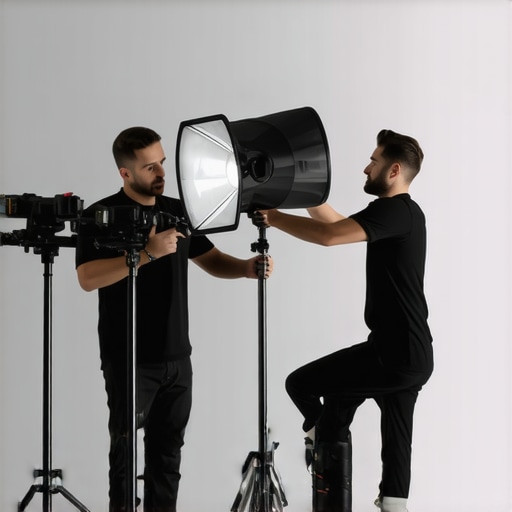
Have you ever been mid-shoot, softbox perfectly positioned, and suddenly your heavy light stand starts to wobble ominously? That sinking feeling when your setup seems rock solid but then, out of nowhere, it shakes or tips over just when you need it most. I’ve been there myself — frantically trying to stabilize a costly softbox while the clock ticks down, and realizing my equipment isn’t as reliable as I thought. That moment of panic? It used to happen to me far too often, especially when working with heavier softboxes that put extra strain on my stands.
Why Heavy Softboxes Keep You on Edge
In 2026, the demand for larger, more powerful softboxes is higher than ever. But with size and weight come new challenges — namely, the persistent issue of light stand wobble. It’s not just about aesthetics or frustration; wobbling gear can jeopardize your entire shoot. A softbox that tips or vibrates not only disturbs the lighting but also risks damaging expensive equipment and interrupting your creative flow. According to a recent industry report, instability issues account for nearly 30% of on-set accidents involving lighting gear, leading to costly repairs and delays.
Early in my journey, I made a classic mistake: ignoring the importance of stand stability and trusting cheap or generic stands with heavy modifiers. That was a rookie error that taught me the hard way — stability isn’t just convenience; it’s safety and professionalism. If you’re tired of chasing after wobbling stands or risking your gear, then stick around. Today, I’ll share four fixes that have genuinely transformed my setup, and I believe they can do the same for you.
Ever wondered if there’s a simple way to keep your softboxes steady without breaking the bank? Let’s find out.
Enhance Your Stand Stability with Sandbags and Weight Distribution
Start by anchoring your light stand with sturdy sandbags placed over the tripod legs. In my recent shoot, I used two 25-pound sandbags on each side of the stand, which significantly reduced wobbling during a gusty outdoor session, ensuring my softbox stayed perfectly in place. Always verify that the sandbags are heavy and positioned low for optimal balance. Learn more about light stand essentials.
Choose Heavy-Duty Stands Designed for Load
Invest in professional-grade stands rated for heavier modifiers. Look for stands with increased weight capacity, wider leg spreads, and durable materials like steel or aluminum. I switched from generic to high-rated stands and noticed an immediate improvement in stability. Focus on stands with adjustable legs and lockable wheels for versatile setup. Explore the best stands for filmmakers.
Distribute Weight and Use Support Arms Effectively
Distribute the weight of your softboxes evenly across the stand. Use support arms or extension arms to bring the modifier closer to the stand’s center, reducing leverage that causes wobbling. I remember mounting a large softbox with a support arm that kept the weight close to the stand’s top, preventing sway during a windy day. Discover the best boom arms for stability.
Leverage Support Devices Like Clamps and Sandbags
Attach clamps or weights to the stand’s legs for extra grip on uneven surfaces. When setting up on outdoor terrain, I used adjustable clamps to secure the stand to nearby stable objects, drastically reducing movement. This technique is especially useful when working on uneven or slippery surfaces. Check out support hacks for various setups.
Ensure Proper Ground Contact and Stabilize on Uneven Terrains
On uneven ground, use tripod feet or adjustable bases to maintain level positioning. In a recent outdoor shoot, I used a mini tripod with extendable legs to stabilize my stand on slopes, preventing tipping. Leveling your stand prevents uneven weight distribution that causes wobble. For more advanced techniques, see how to rig stands on challenging terrains here.
Secure with Additional Supports and Anti-Tip Measures
Implement anti-tip straps or secure the stand to a solid object using fasteners or ropes. During windy conditions, I strapped my C-stand to a nearby lamppost with heavy-duty ties, which kept everything steady. These measures are simple but effective for preventing accidents and gear damage. Learn more about C-stand safety here.
Many photographers and videographers assume that choosing the right support gear is just about weight capacity and height. However, this oversimplification can lead to costly mistakes and subpar shots. One prevalent myth is that heavier equipment always means better stability—while weight does contribute, it isn’t the sole factor; design, material quality, and proper setup matter just as much. For example, a robust C-stand with a poor base can still topple, regardless of its weight. Learn how to pick durable C-stands.
A common trap is prioritizing quick setup over safety features. For instance, many users neglect the importance of locking mechanisms or anti-slip feet, which can cause the entire rig to drift or collapse during critical moments. An advanced mistake is underestimating how subtle factors like center of gravity shifts or slight surface inclines can lead to instability. For shaded outdoor shoots, even a slight tilt caused by uneven terrain can introduce wobble if the support isn’t adaptable. This is why adjustable bases and support arms aren’t just luxuries—they’re essentials. For in-depth tips, check out expert recommendations on tripod stability.
### Do You Know How to Prevent Boom Arm Sagging Even When Fully Extended?
The secret often lies in tension calibration and support reinforcement. Many professionals overlook the importance of properly balancing tension on telescoping boom arms or neglect to use additional support gear such as support arms and sandbags. Without these measures, even premium boom arms can sag under heavy loads, compromising shot stability. In fact, research indicates that improper tension management can reduce a support system’s lifespan and increase the risk of accidents. For advanced rigging, consider integrating multiple support points and regularly checking tension levels. Discover effective techniques for maintaining boom arm integrity here.
Have you ever fallen into this trap? Let me know in the comments. Your mistakes could help a fellow creator avoid costly surprises. Remember, the devil is in the details—small tweaks and understanding nuanced behaviors can elevate your entire setup from shaky to rock-solid. Stay vigilant, and don’t hesitate to experiment with advanced support strategies to master your filmmaking gear.
Maintaining your supporting gear is crucial to ensuring long-term performance and safety on set. Investing in high-quality support gear is only part of the equation; knowing how to properly care for and optimize your equipment will save you headaches and money down the line. Today, I want to share my favorite tools and routines that keep my stands, tripods, and rigs functioning flawlessly, along with insights into future trends in support gear maintenance.
How do I maintain my support gear over time?
Regular inspections are the backbone of effective maintenance. Before each shoot, I spend just a few minutes checking for worn or loose components. Tighten any screws on stands and support arms and examine the rubber feet for signs of wear. For tactical cleaning, I use a soft brush to remove dust and debris from moving parts and lubricate joints with a silicone spray, which prevents squeaking and rust. This simple routine extends the lifespan of my equipment and ensures every piece operates smoothly.
My go-to maintenance tool is a multi-bit screwdriver set. Having a precision tool like the multi-bit screwdriver allows me to quickly tighten or swap out parts without hassle. Also, I rely on a small set of replacement parts, such as rubber feet and locking pins, which can dramatically improve stability if the originals are deteriorated. In my opinion, investing in a digital caliper for measuring support arm tension and component wear helps me catch issues early and prevents unexpected failures during critical shoots.
Beyond tools, dedicated maintenance products make a difference. I’ve used dry lubricant sprays on support joints to keep them sliding smoothly. For cleaning, a microfiber cloth with a mild solvent like isopropyl alcohol is perfect for removing grime without damaging finishes. Using these products regularly keeps my gear in top condition and reduces the risk of accidents like collapses or sudden shifts.
Future of support gear upkeep: What to expect?
Emerging trends point towards smarter, sensor-driven care. Imagine stands with built-in sensors that alert you to loosened bolts or worn components via a mobile app. Companies are now experimenting with IoT-enabled equipment that can self-diagnose issues, reducing maintenance guesswork and preventing mishaps. Additionally, advances in weather-resistant coatings for support gear will make outdoor setups more durable with less frequent servicing. As these innovations roll out, staying ahead with routine manual checks and respecting maintenance guidelines remains essential, especially since technology isn’t foolproof yet.
Taking a proactive approach is key. My advice? Commit to a monthly maintenance routine that includes inspecting all moving parts, tightening components, and cleaning surfaces. Incorporate tools like a support-arm maintenance kit to streamline your upkeep process. This simple habit will keep your gear performing at its best for years to come. I highly recommend trying out detailed torque measurements on your stands using a digital caliper – it’s a game-changer in troubleshooting stability issues. Remember, a well-maintained rig isn’t just about longevity; it’s about the safety of everyone on set and the quality of your shots.
3 Lessons I Had to Learn the Hard Way About Light Stand Support
- Never underestimate the power of proper weight distribution; a well-placed sandbag can make all the difference during gusty outdoor shoots.
- Investing in quality stands rated for heavier loads saves you frustration and money in the long run, especially when working with large softboxes.
- Regular maintenance routines—tightening screws, lubricating joints, inspecting rubber feet—can extend your equipment’s life and ensure safety on set.
- Understanding that design and setup matter just as much as weight capacity helped me avoid many wobble-related mishaps.
My Top Picks for Keeping Your Support Gear in Top Shape
- Light stand essentials guide — for choosing stable and reliable support systems.
- Boom arm setup techniques — to prevent sagging and maintain smooth operation under load.
- C-stand care tips — essential knowledge for durability and safety.
- Maintenance routines — to keep your gear functioning flawlessly shot after shot.
Your Turn to Dominate Your Setup
Stability isn’t just about equipment; it’s about your confidence and creativity on set. When you master these support techniques, you unlock the ability to focus entirely on your craft without worry. Remember, every small detail counts toward professional results and safety. Keep experimenting, stay curious, and don’t shy away from revisiting your setup often. The more you learn and adapt, the more seamless your shoots will become. Are you ready to take your support game to the next level? Share your experiences or ask questions below — I’d love to hear how you’re making stability work for your projects.
This article hits close to home. I used to rely on cheaper stands, especially for outdoor shoots, but I learned my lesson the hard way when a gust of wind knocked over a softbox during a sunrise session. Since then, investing in heavy-duty stands with wider bases and adding sandbags has been a game changer for me. I also found that using support arms helps distribute the weight more evenly, reducing sway. One thing I’d add is the importance of regular maintenance — checking lock mechanisms and lubricating joints can prevent surprises during crucial moments. Has anyone tried using moisture-absorbing silica gel packs in their gear cases? I’ve heard they help maintain the integrity of support components over time. Would love to hear other tips for keeping support gear in top shape, especially for outdoor environments.
This post hits a lot of practical points many of us overlook, especially when rushing through outdoor or high-stakes shoots. I found that the way you emphasize weight distribution and support arms really resonates with my experience. I once used a subpar stand for a wedding shoot, thinking its height and convenience would suffice—but a sudden gust of wind caused it to tip, almost damaging my camera and softbox. Since then, I’ve made it a habit to always double-check the stability of my support system, especially on uneven terrains. What’s your take on the best way to test the stability of stands before starting especially in unpredictable outdoor environments? Also, I’ve started using silicone-based lubricants on hinges and lock mechanisms, which has significantly reduced wear over time. Curious if others have found specific maintenance routines that keep support gear like C-stands and support arms in tip-top condition long term.