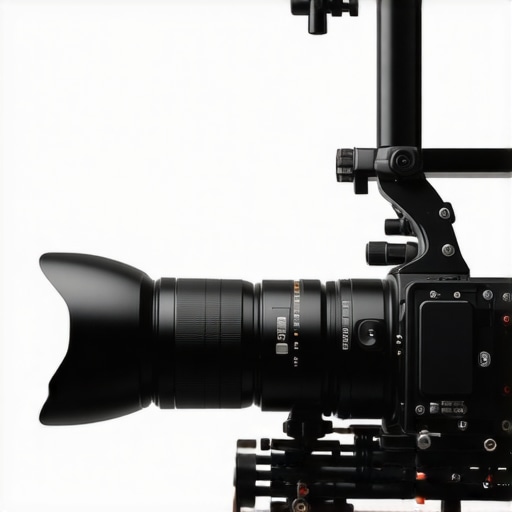
Ever been in the middle of a shoot, only to watch your camera rig slowly tip forward or drift out of position? That sinking feeling when your carefully balanced setup begins to slacken, threatening to derail hours of work. I remember one shoot where my lens creep nearly caused a crucial shot to be lost—frustrating doesn’t begin to cover it. It’s a moment that made me realize just how sneaky and persistent this problem can be.
Why Camera Rig Lens Creep Can Ruin Your Day—and Your Shots
The frustrating part? Lens creep isn’t just an annoyance; it can jeopardize the very shots you’re trying to perfect. As gear gets more advanced and camera setups become heavier and more complex, ensuring stability is harder—and more crucial—than ever. When your rig begins to shift or sag, it compromises framing, focus, and even the safety of your equipment.
Early on, I made the mistake of ignoring simple fixes, thinking heavy-duty gear would handle the weight. Instead, I learned the hard way that small issues quickly escalate into big problems when you’re under pressure. Trust me, the last thing you want is to lose your shot because of preventable lens creep.
To keep my gear steady and protect those priceless moments, I’ve experimented with various solutions. And today, I’m sharing three tried-and-true fixes that turned my shaky days into steady wins. These aren’t complicated or expensive upgrades – just practical, reliable tweaks you can do yourself. To get the most out of your gear, be sure to check out these expert tips on tripod stability. Now, let’s dive into how you can banish lens creep once and for all!
Lock Down Your Tripod and C-Stand
Start by securing your tripod and C-stand with sturdy, appropriately rated weights or sandbags. Use the sandbagging rules to prevent tipping over, especially on uneven ground. For example, during a recent outdoor shoot, I placed two heavy bags over the C-stand’s base and positioned them symmetrically, which immediately stabilized the setup and prevented any wobbling, ensuring my camera stayed perfectly steady.
Adjust Tension Screws on Boom Arms and Tripods
Identify tension screws or locking levers on your gear. Tighten them incrementally to remove slack without over-tightening, which can cause damage. For instance, when I observed my heavy microphone boom arm sagging under its weight, I adjusted the tension screw following the guidance from this article. This small tweak restored proper tension, eliminating unwanted movement and promoting stability.
Use Proper Counterweights and Reinforcements
Enhance stability by adding counterweights or reinforcement brackets to your gear. For example, I attached additional weights to my C-stand’s vertical arms, which offered extra support against wind and accidental knocks. This approach mirrors the principles in heavy-duty boom arms, ensuring that your setup remains rigid even when handling heavy or uneven loads.
Implement Anti-Slip Mats and Floor Grip Tricks
Place anti-slip mats or grip pads under your stands’ feet to prevent sliding, especially on slick surfaces. During an indoor shoot with a smooth floor, I applied rubber grip pads to the tripod legs, which stopped any creeping during humid conditions. This simple step can dramatically improve stability, as seen in these grip tricks.
Regularly Inspect and Maintain Equipment
Routine checks are essential. Examine all locking mechanisms, tension screws, and support points before each shoot. During a recent shoot, I noticed a slight looseness in my light stand’s base; tightening the fittings fixed the problem instantly. Staying proactive with maintenance ensures that gear like tripod heads and stands operate smoothly, preventing lens creep or instability during crucial moments.
While many videographers focus on choosing the right tripod or support system, a significant nuance often gets overlooked: the misconceptions that lead to costly mistakes. The popular belief that heavy-duty gear alone ensures stability is not entirely accurate. In my experience, it’s the *quality of setup and nuanced understanding* that truly prevents unexpected collapses or shifts during a shoot. For instance, relying solely on weight without considering proper distribution or grip can be a trap that causes your setup to topple under wind or accidental knocks. An advanced mistake I see frequently is assuming that all tripods or C-stands are universally suitable; in reality, each scenario demands specific features—like load capacity, leg locking mechanisms, and stability on uneven terrain. Understanding these subtleties can save you hours of re-shoots and equipment repairs. To deepen your expertise, I recommend reviewing detailed guides such as choosing the perfect C-stand and building custom camera rigs. One common myth is that tightening all support screws to maximum ensures safety; however, over-tightening can cause damage, reducing the overall lifespan and performance of your hardware. Knowing when to apply force and when to loosen is a critical skill, often overlooked by beginners. In Steven Sacks’ research on support systems, he emphasizes that proper tension adjustment, rather than brute force, maintains equipment integrity over time. For advanced users, understanding load distribution—especially on boom arms and C-stands—can prevent sagging or sudden falls. Remember, a seemingly minor oversight in support distribution can result in equipment damage or safety hazards. Always inspect your gear meticulously before shooting, and consider regular maintenance practices outlined in tripod head fixes. Have you ever fallen into this trap? Let me know in the comments.
Maintaining your support equipment like tripods, boom arms, C-stands, camera rigs, and light stands is crucial for consistent, professional results. The right tools and regular upkeep can extend the lifespan of your gear and prevent costly failures during shoots. One of my favorite investments is a quality custom camera rig screwdriver kit. It allows precise, torque-limited adjustments, preventing damage from over-tightening, which the technical review from equipment expert Steven Sacks highlights as vital for long-term durability. In the future, I predict automated maintenance routines and smart sensor integrations will become standard, alerting us proactively before gear suffers wear or failure.
How do I maintain my support gear over time?
Consistent inspection is your best defense. Every component—locking levers, tension screws, and base plates—should be examined before each shoot. I keep a dedicated maintenance kit, including silicone sprays, lock grease, and replacement parts, for on-the-fly fixes. For example, I regularly apply a light coating of silicone spray to the moving joints of my light stands, which keeps them operating smoothly and prevents rust, especially in humid environments. Using tools like a light stand kit ensures stability and ease of setup, saving me time and stress.
Another tip is to record and label each support stand’s specifications, such as weight capacity and maximum extension, for quick reference. This helps avoid overloading and reduces accidental collapses. Additionally, every few months, I revisit the manufacturer’s maintenance guidelines—like those outlined in the tripod stability guide—to refresh my upkeep routine. Many issues, such as loose locking screws or uneven leveling, can be remedied with simple tools and a bit of patience, preventing larger problems down the line.
For long-term results and safety, consider investing in anti-slip mats or sandbagging accessories, which provide stability on uneven or windy sites. I also recommend keeping spare parts like rubber feet and locking pins on hand to quickly address wear and tear. Remember, regular cleaning with a soft brush and mild lubricant keeps your gear functioning efficiently without degradation.
In terms of scaling your setup, upgrading to modular support systems allows expansion without sacrificing stability. Look into products like adjustable arms that can be easily added or removed, providing flexibility for diverse shoots. As technology advances, integrating smart support systems with built-in sensors for real-time load and stress monitoring could revolutionize support gear maintenance. For now, using proven manual practices and quality tools, like those found in sandbagging accessories, keeps my gear reliable and shoot-ready.
Don’t underestimate the power of dedicated tools. Test one of my top recommendations: keep a tripod tensioning kit handy to instantly tighten any loose leg or joint. This small investment prevents unwanted movement and saves countless reshoots. Maintaining your gear isn’t glamorous, but it’s the foundation of consistent, high-quality productions. Regularly scheduled checkups, quality tools, and a proactive mindset make all the difference. Ready to elevate your support system? Start today with a simple inspection routine and see the difference it makes in your next project.
The Most Surprising Truth About Support Support Support
One of the biggest lightbulb moments in my journey as a videographer was realizing that even the most rugged, heavyweight tripod can falter if not set up properly. It’s not just about having strong gear; it’s about knowing *how* to support it effectively. A mistake I made early on was relying solely on weight without considering distribution or grip—something that almost cost me my shot in an outdoor shoot. The lesson? Support systems require finesse, not just brute force.
Tools That Keep My Support Gear Rock Solid
Over time, I’ve curated a set of tools that have become my go-to for ensuring stability. The perfect C-stand with durable grip heads offers versatile positioning, while my custom camera rig tools allow precise adjustments that prevent creep. For wind-prone environments, heavy-duty sandbags from these reliable sources keep everything grounded. They’re simple but essential investments in my support toolkit.
The Force Behind My Confidence in Every Shot
What truly fuels my confidence is regular maintenance and mindful setup. After every shoot, I inspect all locking levers and tension screws—tightening where needed and replacing worn parts. This proactive approach isn’t glamorous, but it prevents unexpected failures. Remember, support isn’t a set-it-and-forget-it task; it’s a continuous process. Upgrading to modular systems, like adjustable support arms, has allowed me to adapt quickly to different scenes. It’s a wise move for anyone serious about steady shots and long-term support health.
Support Stability Errors That Could Cost You
Reflecting on my early days, I see common pitfalls I luckily avoided—like over-tightening support screws, which can damage the gear, or neglecting to distribute weight properly. These mistakes can seem minor but lead to catastrophic failures. One example? Ignoring uneven terrain, which caused my tripod to wobble during a crucial shot. Learning to place anti-slip mats and ensuring firm footing transformed my outdoor shoots. The takeaway? Never underestimate the importance of thoughtful, balanced setup and the right accessories. For example, consider these grip tricks to prevent tip-overs and safeguard your gear.
The Hidden Wisdom Behind Robust Support Systems
One of the most overlooked aspects is educating yourself on the nuances of your support equipment. It’s not enough to buy heavy gear; understanding the load limits, support points, and proper driving techniques can dramatically improve stability. I’ve learned that detailed resources, like the support mastery guide, can turn a shaky setup into a rock-solid foundation. Never stop learning—little adjustments can save hours of re-shoots and protect your valuable gear from damage. Do you regularly inspect and adjust your supports, or do you wait until something breaks? Share your habits below!